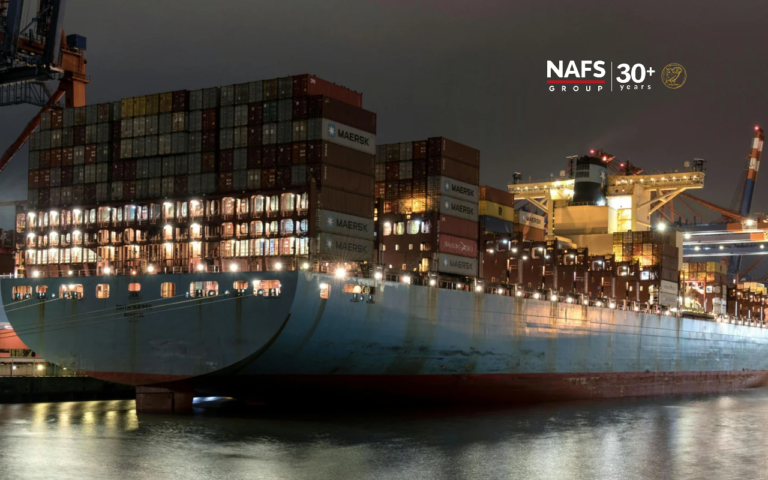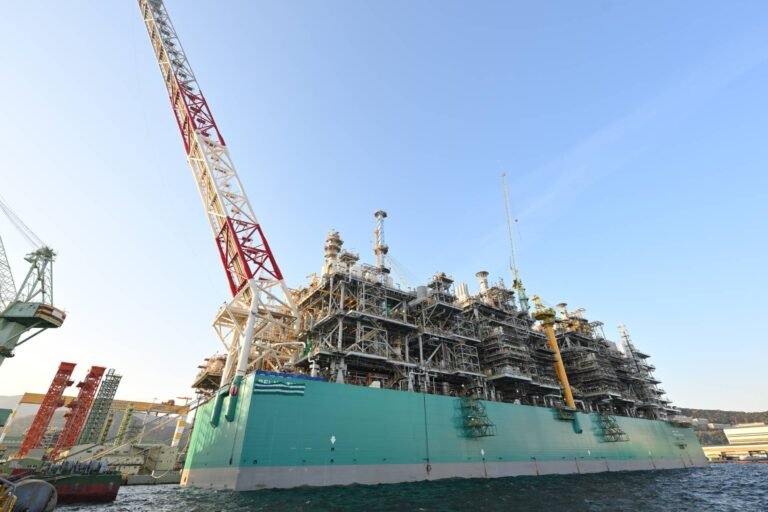
Geopolitical disruptions, rising transport costs, an ageing global fleet and regulatory uncertainty are shaping a new reality for international shipping.
UNCTAD’s annual Review of Maritime Transport 2026 highlights the challenges facing the resilience and sustainability of maritime transport.
Stagnating trade and longer distances
Global seaborne trade reached 12.3 billion tonnes in 2025, growing by 1.9%. Zero growth is forecast for 2026, followed by a projected recovery of 3.2% in 2027. Transport activity measured in tonne-miles is expected to increase by 1.5% in 2026.
Global fleet: Growth and ageing
Global fleet carrying capacity increased by 3.5% in 2025. Some 42% of vessels are over 20 years old, while 9.4% of global capacity comprises vessels capable of using alternative fuels. A return to traditional trade routes, combined with newbuilding deliveries, could create excess capacity.
Pressure on freight rates and fuel costs
Disruptions in the Strait of Hormuz and the Red Sea are affecting operating costs. In March 2026, Singapore VLSFO prices increased by 98% compared with the January–February average, while average crude oil tanker freight rates rose by 71% during March–June compared with the first two months of the year.
Ports, digitalisation and cybersecurity
Port infrastructure efficiency and cybersecurity are emerging as critical factors for supply chains. Investment in digital systems and business continuity mechanisms is needed.
Energy transition and resilience
Uncertainty surrounding international environmental regulations is affecting investment decisions. Cooperation between governments, shipping companies, port authorities and technology providers is crucial to fleet modernisation and sustainable transport.