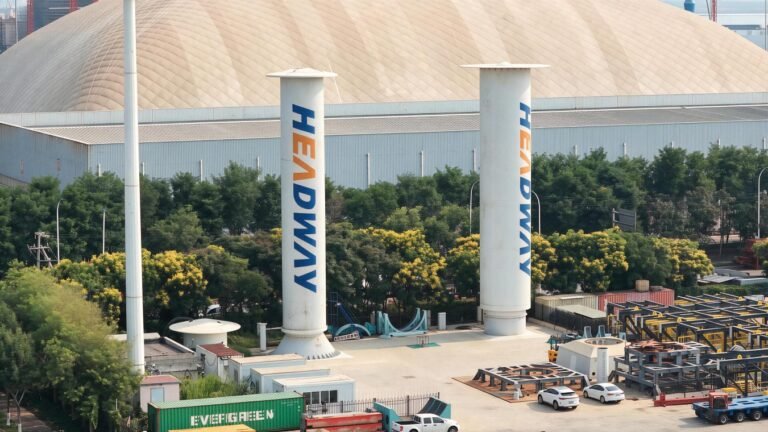


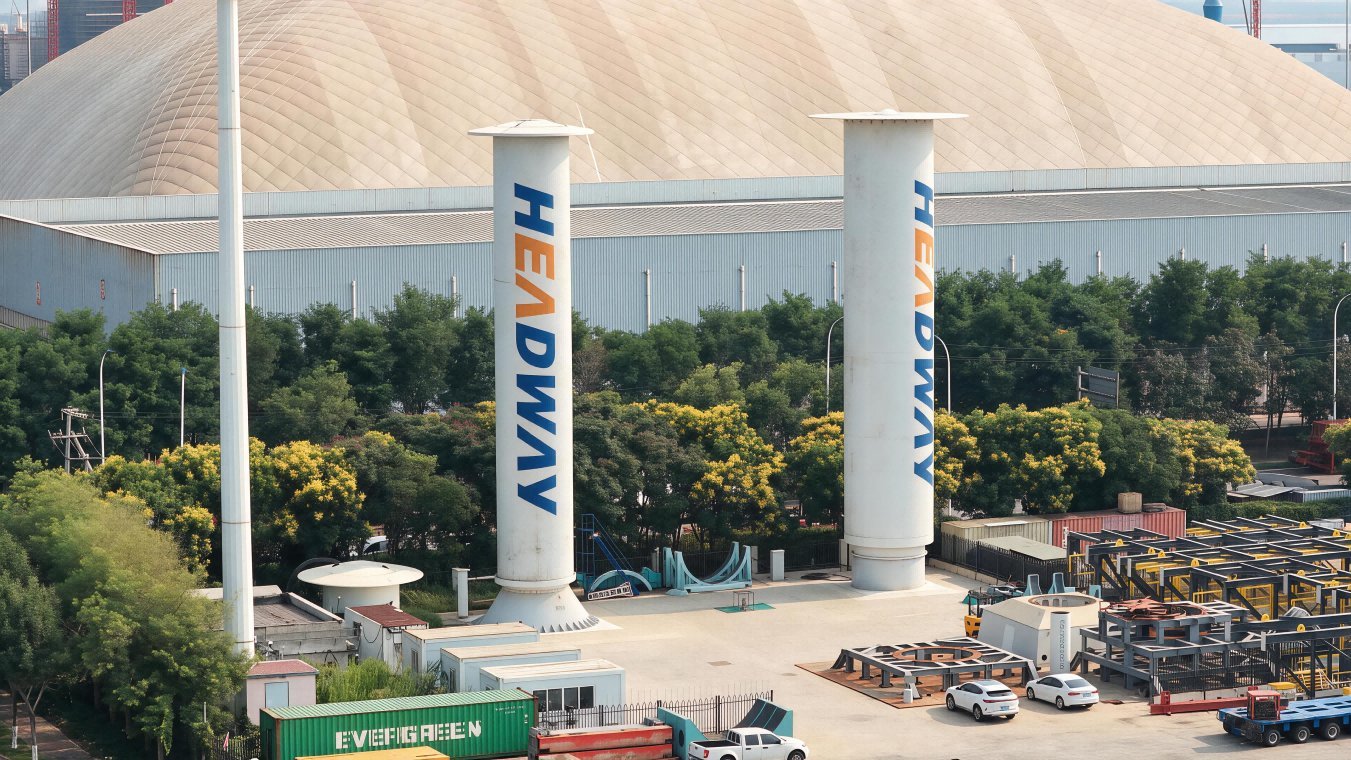
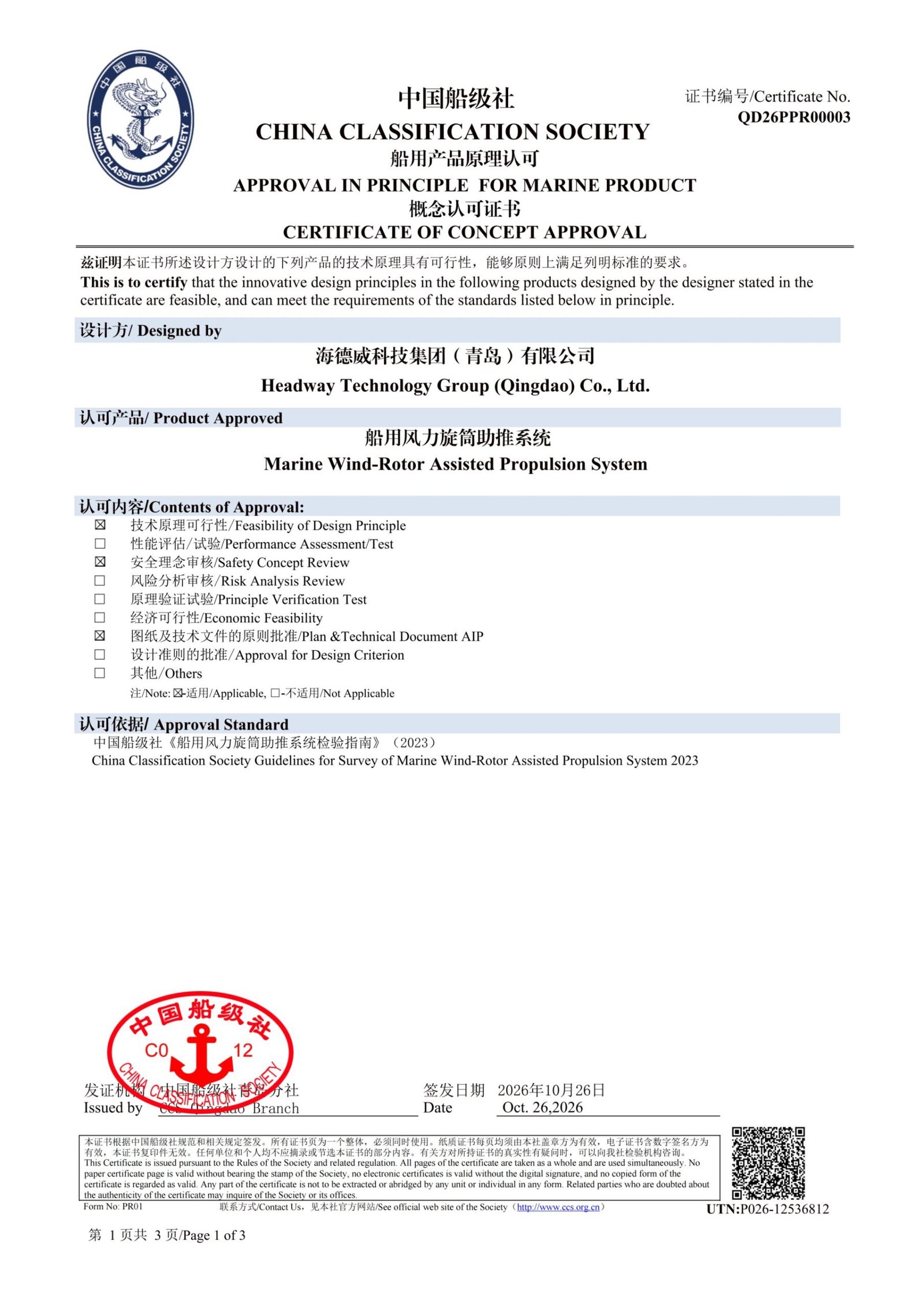
Headway Technology Group’s intelligent rotor sail system has received Approval in Principle (AIP) from China Classification Society (CCS), marking a milestone in the development of integrated ship energy-efficiency solutions.
The approval validates the technical feasibility and design concept of the system in principle and lays the groundwork for further engineering development, shipboard integration and potential commercial deployment.
Intelligent integration for vessel performance
Headway’s intelligent rotor sail is designed to operate within the company’s proprietary smart ship platform, combining wind-assisted propulsion with intelligent vessel management and control.
Using navigation, weather and sea-state data, the platform coordinates the rotor sail with the intelligent flow-guiding rudder, energy-efficiency management system, intelligent engine room, rotor sail condition-monitoring system and main propulsion system. It evaluates vessel heading, speed, wind conditions, sea state and operating parameters to optimize the use of wind energy and propulsion efficiency.
Research collaboration and strategic investment
Headway is collaborating with universities, academic institutions and research teams on ship–sail aerodynamic interactions, structural design and control systems, operational safety, full-scale testing and performance verification.
The company has also invested strategically in DealFeng New Energy, which has engineering experience and rotor sail installations aboard internationally trading vessels. The partnership brings together capabilities in market development, system integration, engineering implementation and after-sales support.
Next steps for wind-assisted propulsion
Following the CCS Approval in Principle, Headway plans to advance its intelligent rotor sail technology for both newbuildings and retrofits across a range of vessel types. The company aims to combine intelligent navigation and control with wind-assisted propulsion hardware to help shipowners improve operating performance, reduce fuel consumption and support maritime decarbonization.