

Project Mermaid, battery integration and practical AI applications highlight opportunities for more efficient ship design and fleet operations.
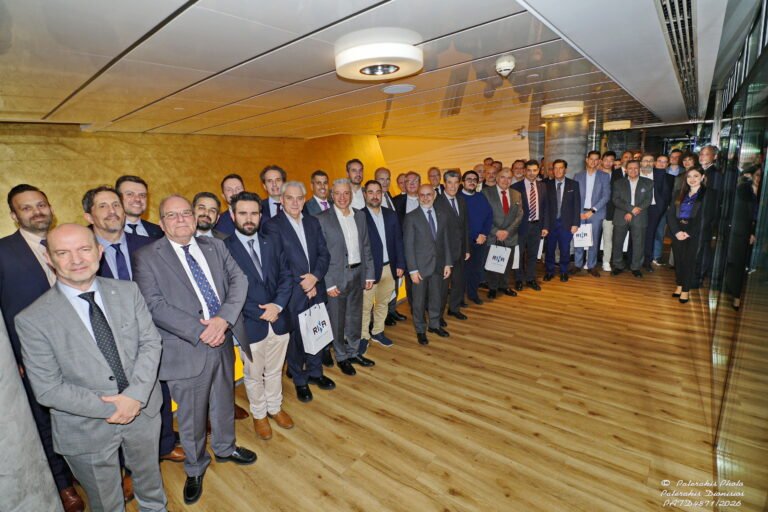
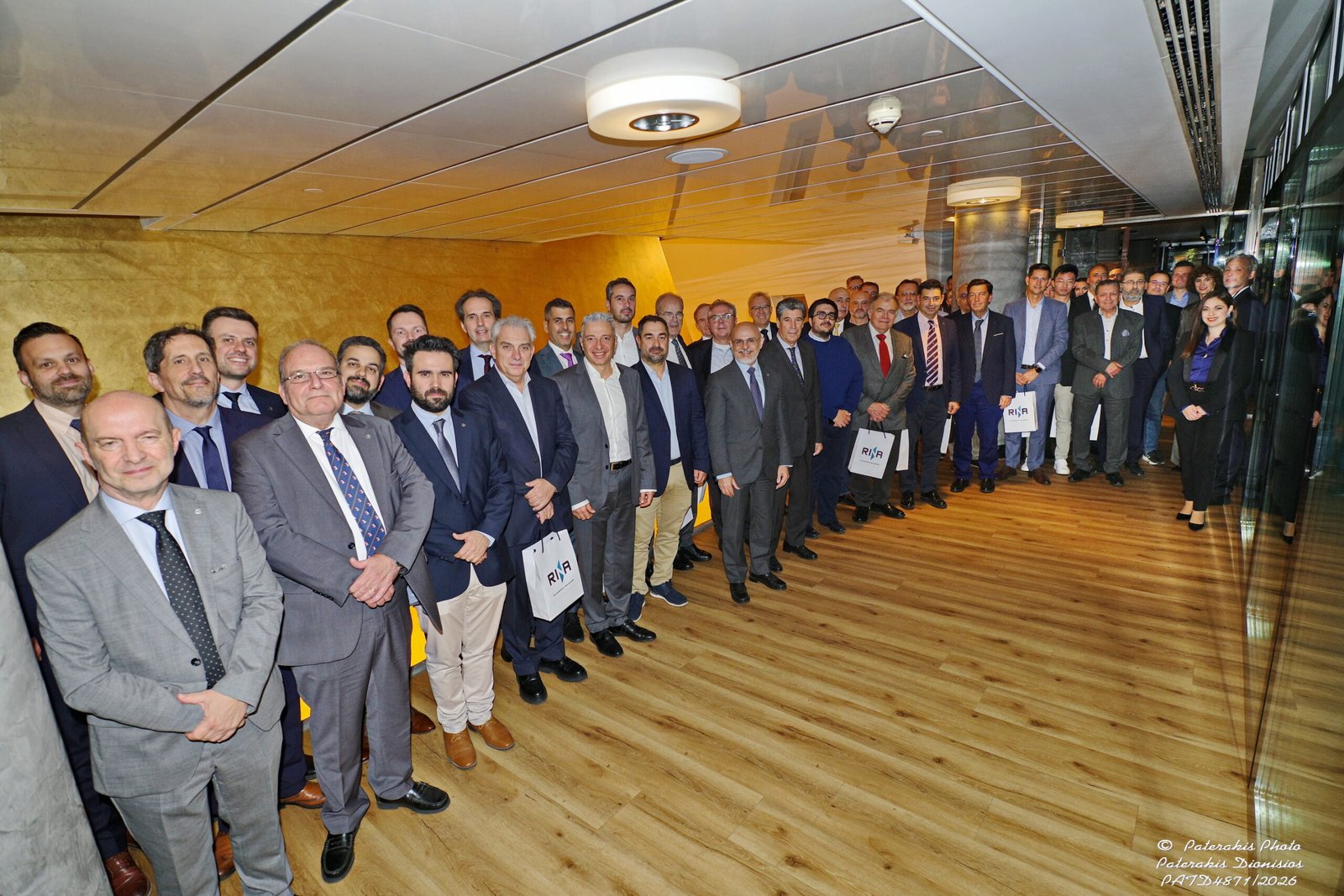
Athens, 5 November 2026 – Energy-efficient ship design, developments in the newbuilding market and practical applications of AI in ship and fleet management were the focus of RINA’s Hellenic Technical Committee, held on 22 October at Amphibian, Onassis Stegi, in Athens. Senior technical professionals from Greek shipping companies joined RINA specialists and guest speakers to discuss regulatory developments, energy transition technologies and digital tools supporting day-to-day operations.
Chaired by Akis Tsirigakis, CEO of Nautilus Energy Management, the meeting covered fleet and orderbook trends, followed by presentations on Project Mermaid, marine batteries and artificial intelligence.
“Newbuilding projects require owners to evaluate design and technology options that will shape a vessel’s efficiency and meet its operational needs throughout its life,” said Spyridon Zolotas, RINA South Europe Marine Vice President. “Our role is to bring together technical knowledge, experience in energy transition and digital capabilities to support these decisions. The Hellenic Technical Committee provides an opportunity to exchange experience with the technical teams managing these challenges and discuss how new solutions can be applied in practice.”
Newbuilding Activity and Regulatory Developments
Marinos Anastassiou, RINA South Europe Marine Newbuilding Segment Manager, reviewed global fleet and orderbook trends. RINA’s newbuilding activity linked to the Greek market has reached 28 vessels since 2025, with 13 delivered and in service. Projects span bulk carriers, tankers and container vessels, with deliveries extending to 2028.
Michael Markogiannis, RINA Head of Greece Plan Approval, outlined developments across the IMO, IACS and European regulatory frameworks, providing context for newbuilding decisions on emissions performance, alternative fuels and the safe integration of new technologies.
Project Mermaid: An Integrated Approach to Ship Energy Use
Antonios Trakakis, RINA Energy Transition Solutions Technical Director, presented Project Mermaid, a ship design concept that combines propulsion and onboard power generation to make more efficient use of energy. The approach uses the main engine for both propulsion and electrical power generation, alongside batteries and the electrification of onboard systems, while retaining flexibility for future fuel choices.
The presentation examined how this approach can be applied to different vessel types. An LR2 tanker case study indicated potential annual fuel savings of approximately 12% under the assessed operating conditions. Five recent joint development projects and approvals in principle for bulk carrier and tanker designs, involving Chinese design institutes, shipyards and four Greek owners, demonstrated how the concept is being developed into specific newbuilding proposals.
Marine Batteries and Hybrid Systems
Jiaqi Fan, General Manager of Overseas Market, and Qiang Chen, Senior Engineer, from CAEV, the marine battery subsidiary of CATL, addressed the application of batteries in the maritime sector, including system safety, reserve power and the management of variations in onboard power demand.
William Nyström, Foreship Senior Consultant, Energy Transition Advisory, presented bulk carrier and container ship case studies, examining how battery selection and sizing can be tailored to a vessel’s operating profile to reduce fuel consumption and maintenance requirements.
AI Applications in Ship and Fleet Management
Hans Christian Jensen, RINA Head of SERTICA/Inextia Solutions Sales, presented applications of artificial intelligence within SERTICA, including safety management assistance, invoice matching and maintenance plan comparisons. These examples illustrated how AI can assist ship and shore teams with specific tasks in their daily work.
From newbuilding design to day-to-day fleet management, the discussions examined how ship design, energy transition technologies and digital solutions can support more efficient vessel operations. The exchange between speakers and committee members brought these topics closer to the needs of Greek shipping companies, with a focus on the practical considerations behind the adoption of new technologies.
Photo: Dionysis Paterakis / Paterakis Photo