Although a setback for the IMO process and its aspired decarbonisation timeframe, the one-year postponement of the NZF vote should be seen as an opportunity, in the aftermath of a necessary and responsible pause.
In the attempt to build consensus, the latest draft of the NZF had effectively become a global tax on shipping, without any concrete evidence that it would actually lead to decarbonisation. The fundamental issue remains unchanged: the alternative fuels being promoted today are not yet safe, not globally available, not scalable and still of uncertain environmental impact on a Life Cycle Assessment basis. Creating a large financial mechanism before the energy pathway exists would not have accelerated the transition—it would have only increased costs.
There is also a practical governance problem. The IMO is not structured, staffed, or prepared to manage the vast financial flows such a system would generate. Expecting the Organisation to collect and allocate billions in climate revenues is unrealistic and could undermine its core mission.
The postponement gives the industry and policymakers valuable time to rethink the approach and align regulatory ambition with technological reality. It avoids locking the sector into a framework that may have short-term political appeal but lacks pragmatic foundations.
The risk we must watch out for is regulatory fragmentation. Without a clear global path, regional schemes like the much-criticised European ones, but also those under way regionally in other continents, will continue expanding, creating complexity and distortion in a global industry.
This extra year must be used wisely: the world needs a coherent, realistic framework—not premature measures that burden shipping whilst failing to address the core bottleneck, which is simply this: the fuels required for the ambitious “net zero” decarbonisation do not yet exist at global scale.
Geopolitical instability has become the normal operating environment for shipping. The disruptions in the Red Sea, the volatility in the Black Sea, the spread of sanctions, and the renewed rise in protectionism will all continue shaping trade routes in 2026.
Route deviations will remain a structural reality. Safety must take absolute precedence, and owners should decline employment that does not properly compensate for elevated risk. The market ultimately adapts when we draw clear boundaries.
Diversification of trading patterns is essential. Reliance on historically stable corridors is no longer viable. New tonne-mile trends will emerge as conflicts, politics and climate change reshape commodity flows, and operators who adapt early will benefit.
Protectionism and political interference in trade will increase regulatory complexity. This is an area where INTERCARGO directly supports its members. Our Secretariat continuously monitors regulatory developments, providing timely updates on emerging compliance requirements and the needed operational planning. Mistakes in this environment are costly and anticipating due diligence is therefore crucial.
Operational resilience faces also priorities. Cybersecurity threats, crew welfare challenges, port infrastructure limitations, and supply-chain disruptions are now geopolitical variables.
We cannot eliminate global instability, but we can help our members navigate it with better information, stronger tools, and clearer operational guidance.
INTERCARGO is strengthening its support here as well. Our upgraded website and digital services, to be launched during Q1 2026, will provide:
- cybersecurity guidance,
- crew welfare and training resources,
- port infrastructure and capability information,
- technology updates to improve operational efficiency,
- and best-practice guidelines for safe, resilient fleet management.
2026 will not be the year of mass adoption of new fuels. It will be the year of practical measures—because the world still lacks the safe, available, and scalable fuels required for full decarbonisation at sea and ashore.
Methanol, ammonia, and hydrogen will not see broad uptake in the dry bulk trades. Availability is low, safety frameworks are incomplete, and the required infrastructure is decades behind political ambition. LNG will maintain a bridging role in certain segments, but it is not a universal solution.Finally, while nuclear propulsion based on fourth-generation MSR technology shows promise, it remains several years away from being a realistic, commercially deployable option for shipping.
The technologies that will gain traction are those that work today:
- energy-saving technologies with proven performance,
- advanced voyage and weather optimisation tools,
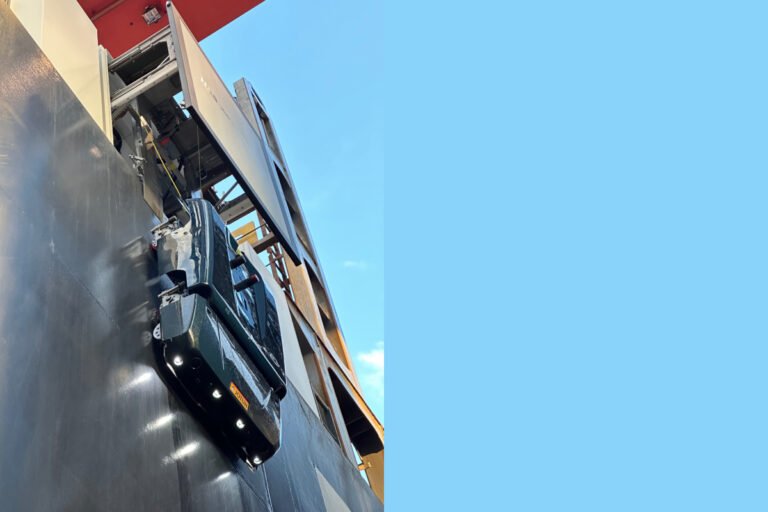
- improved hull coatings, maintenance of these in between drydockings and underwater hull and propeller retrofits and modifications,
- and operational measures across the supply chain, such as reducing port delays and enabling just-in-time arrivals.
These are realistic, quantifiable steps that reduce emissions now—without waiting for new fuel revolutions.
The core message is clear: shipping has been making huge progress but cannot fully decarbonise without the fuels that could make this possible. Until those fuels exist at global scale, our focus must be on efficiency, safety, and practical solutions in further reducing GHG emissions, while advocating for a regulatory framework that reflects technological reality rather than political aspiration.
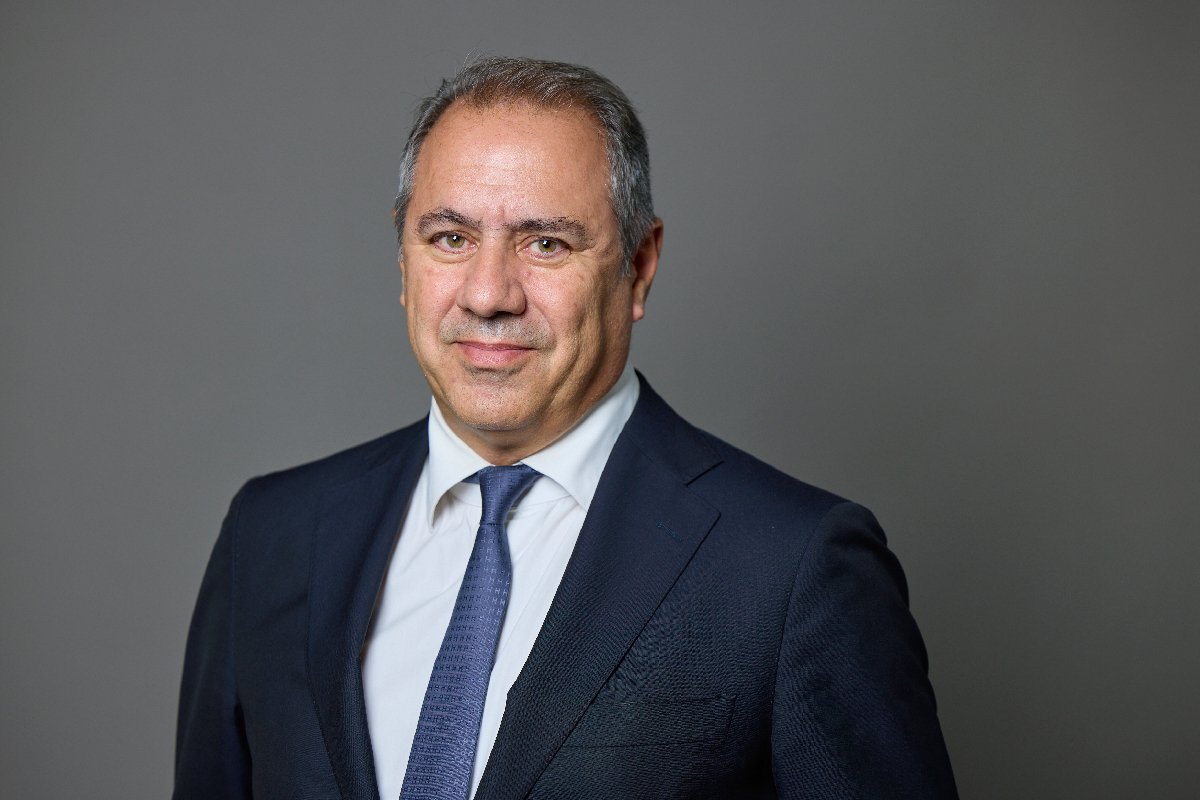
- CHAIRMAN OF INTERCARGO