

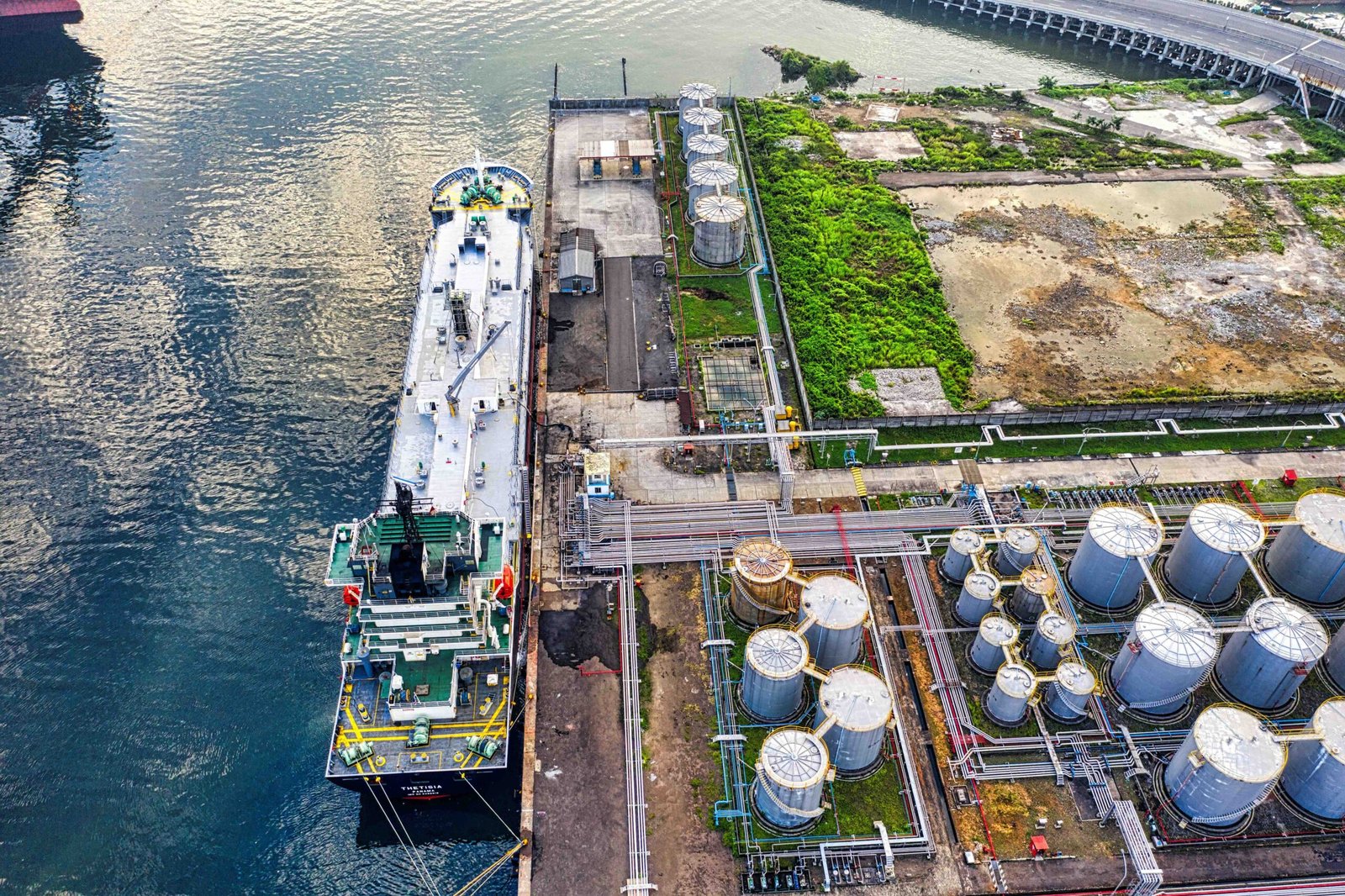
As ports prepare for ships powered by methanol, ammonia and hydrogen, they face a common challenge: how to introduce new fuels safely while keeping daily operations steady. A new guideline provides ports, operators, emergency services and authorities with a practical framework for managing that transition.
The guideline is the final output from the SafeSBU project and integrates the entire safety chain, from fuel storage and bunkering to onboard use, within a single risk-based framework. Rather than prescribing one-size-fits-all solutions, it helps organisations understand hazards, assess risks and implement appropriate safety measures for their specific operations.
The SafeSBU guideline brings together contributions from DBI, FORCE Technology, Aalborg University, Port of Rønne, Complete Solutions, DFDS and MHO-Co.
“The maritime industry is turning towards low-carbon fuels, and many ports are asking the same questions: What are the risks? How do we demonstrate that operations are safe? And how do we coordinate across the many organisations involved? This guideline provides a common language and a structured approach to answering those questions,” says Nicklas Sjøgren Koch, Team Leader at DBI.
Moving from ambition to adoption
SafeSBU is part of MissionGreenFuels, a Danish partnership working to accelerate the development and deployment of sustainable green fuels in sectors such as shipping and aviation.
“Green fuels are essential to decarbonising shipping, but large-scale deployment requires confidence that new solutions can be introduced safely. By turning shared knowledge into practical guidelines for stakeholders across the value chain, SafeSBU helps the maritime sector move from ambition to adoption and accelerates the deployment of green fuels,” says Carina Jensen, Partnership Director at MissionGreenFuels.
Safety should enable innovation – not delay it
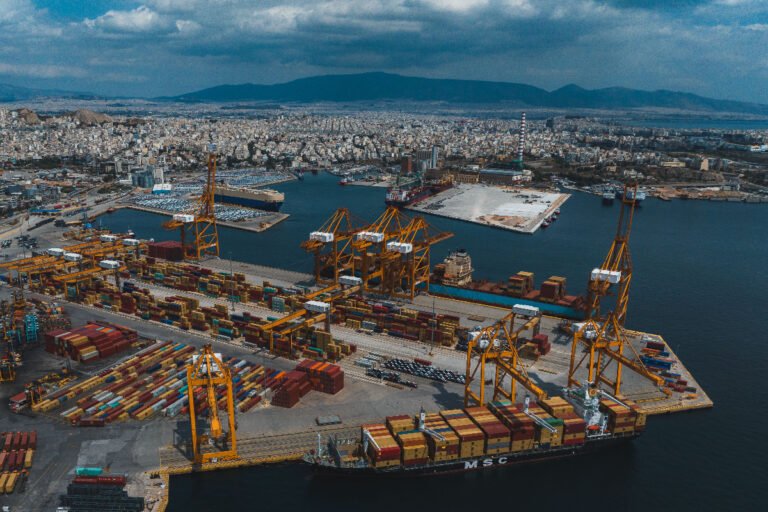
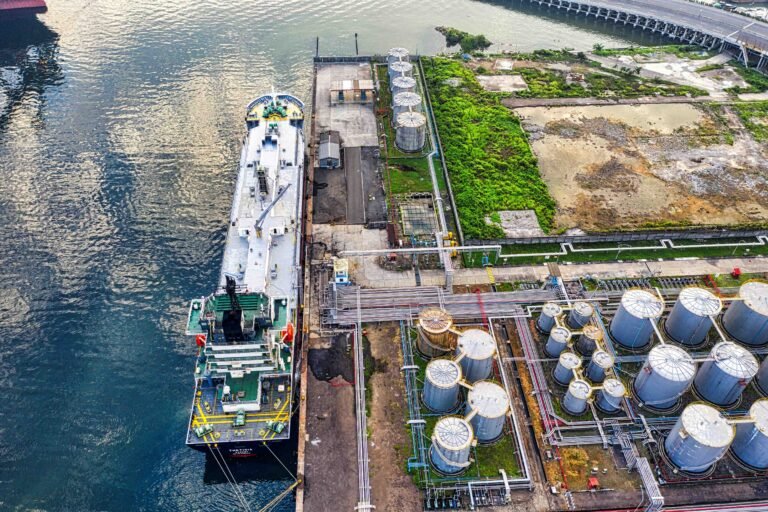
Ports are increasingly becoming preferred hubs for the production, storage and distribution of green fuels. Unlike conventional marine fuels, methanol, ammonia and hydrogen introduce very different hazard profiles, requiring new approaches to risk assessment, emergency preparedness, operational procedures and competence development.
The guideline addresses these challenges through a layered safety model that connects hazard identification (HAZID), risk evaluation, technical, operational and organisational safety barriers, emergency preparedness, governance and stakeholder engagement, including public perception. Together, these elements enable ports to develop coherent safety strategies while maintaining flexibility for local conditions and future technologies.
“Safety must keep pace with innovation. Our ambition has been to develop a practical framework that supports the deployment of green fuels rather than becoming another barrier to implementation. Risk-based decision-making allows ports to build confidence while adapting solutions to their own operational realities,” says Robert McTaggart, Risk Engineer and Research Consultant at DBI.
Developed with industry
DBI and FORCE Technology developed the guideline in close collaboration with industry partners. It combines literature reviews, site visits, interviews, workshops and multidisciplinary HAZID studies with practical experience from early green-fuel projects.
The framework gives multiple stakeholders a common reference point:
- Port authorities and port operators
- Storage and terminal owners
- Bunkering operators and fuel suppliers
- Shipowners and vessel operators
- Authorities and regulators
- Emergency services
- Training providers
Each stakeholder is provided with guidance tailored to their role while working within a common safety philosophy.
From compliance to readiness
Beyond technical guidance, the publication introduces a structured approach to assessing organisational readiness for green-fuel operations. By combining risk management, governance, competence development and emergency preparedness, the SafeSBU project delivers a framework that helps organisations prepare not only for regulatory approval, but also for safer everyday operations.
The framework allows ports to assess their current readiness level, identify gaps and plan their progression towards routine green-fuel operations.
“The transition to green fuels is not only about new infrastructure. It is also about creating trust in technology, in operations and between all the organisations involved. We hope this guideline will contribute to that shared confidence and support the continued decarbonisation of maritime transport,” says Rian Holdstock, Project Manager at FORCE Technology.
Read the SafeSBU report on the project website.
#GreenPorts #GreenFuels #PortSafety #SafeSBU #MaritimeDecarbonisation #Methanol #Ammonia #Hydrogen #Bunkering #SustainableShipping