

Shipping is facing one of the greatest transformations in its history. As the industry looks for solutions to reduce emissions, interest in wind-powered propulsion is growing. For Wallenius Marine, wind is not simply a complement to the ships of the future, but a central part of tomorrow’s energy system at sea.
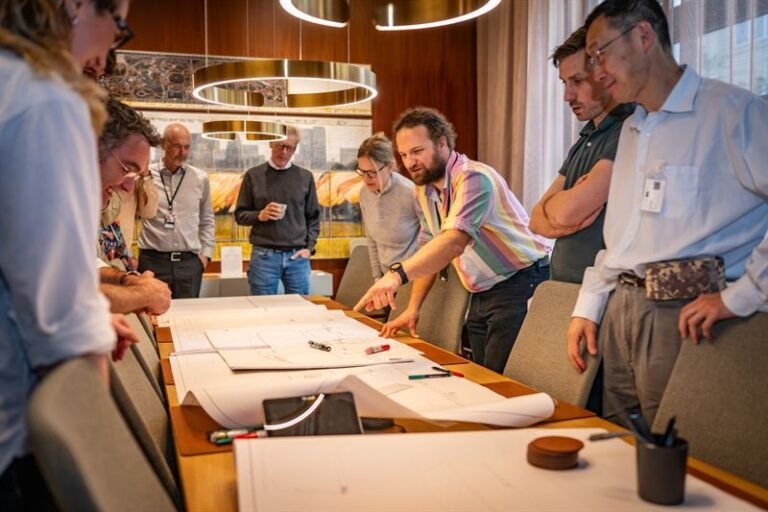
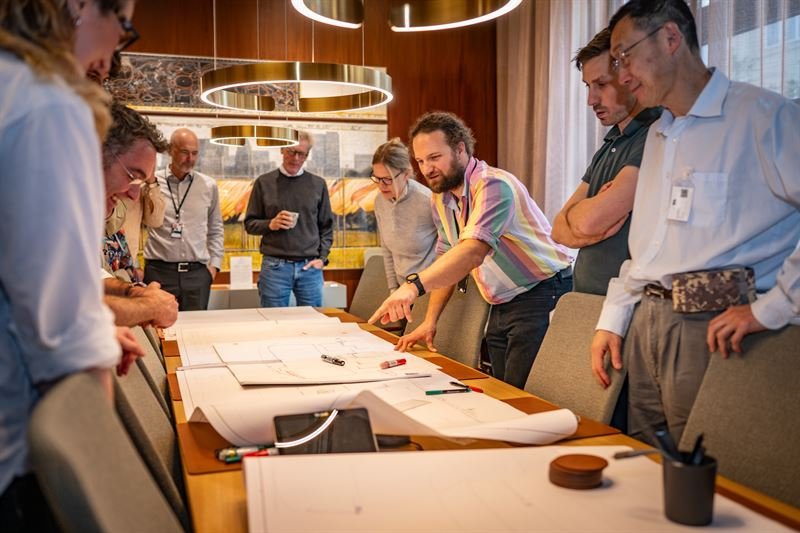
To realise this ambition, the research project WinPrOVeDD (Wind Propulsion Oriented Vessel Deck Design) is now being launched. Supported by the Swedish Energy Agency, the project will investigate how vessel design affects the efficiency of wing sails and other wind propulsion systems. Previous research shows that conventional vessel designs can significantly limit performance, while a more aerodynamic design can deliver substantial efficiency gains.
“We firmly believe that wind will once again become a primary source of energy for shipping. To make that possible, we need to consider the vessel and its propulsion system as a whole. We need to design the ships of the future around the wind, rather than simply adding wind technology to vessels developed for a fossil-fuel era,” says Urban Lishajko, Head of Ship Design, Newbuilding & Innovation at Wallenius Marine.
The research project will run from 2026 to 2029 and combine advanced simulations with wind tunnel testing to identify the vessel designs that can make the most effective use of wind energy. The results will be published openly as design guidelines that can be used by ship designers, shipyards and shipowners worldwide.
The project forms part of Wallenius Marine’s long-term efforts to establish wind as a central energy source for the future of shipping. For many years, the company has been a driving force in the development of wind-powered shipping through national and European research collaborations, as well as pioneering projects such as Orcelle Wind.
The aim is to generate new knowledge that will enable the development of vessels in which wind provides a significantly greater share of the energy required than it does today, thereby reducing dependence on fossil fuels and other fuels.
“If shipping is to meet its climate targets, we need new ways of thinking about both energy and vessel design. Wind is a resource available every day across the world’s oceans. Our task is to find the best ways to harness it,” says Urban Lishajko, Head of Ship Design, Newbuilding & Innovation at Wallenius Marine.
Facts about WinPrOVeDD
- Project lead: Wallenius Marine
- Project partners: KTH, RISE and AlfaWall Oceanbird
- Project period: September 2026 to December 2029
- Total project budget: approximately SEK 9.4 million, of which approximately SEK 5.6 million is provided as research funding by the Swedish Energy Agency
- Results: open-access design guidelines for vessels optimised for wind propulsion
#WindPoweredShipping #WindPropulsion #SustainableShipping #MaritimeInnovation #GreenShipping #Decarbonisation #WalleniusMarine #WinPrOVeDD