The World Shipping Council (WSC) has called on governments to reach a binding global agreement on greenhouse gas emissions from international shipping, warning that further delays could undermine more than $200 billion in industry investment in dual-fuel vessels and the infrastructure needed for cleaner fuels.
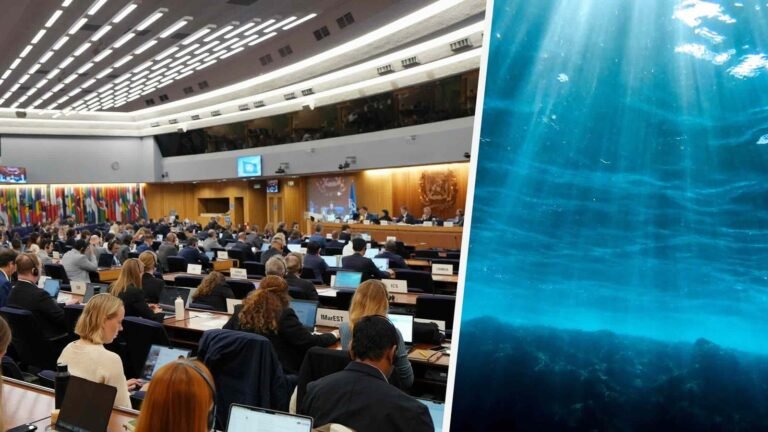
In a statement issued on 23 November 2026, ahead of the next round of negotiations at the International Maritime Organization (IMO), WSC identified three essential elements for an effective global regulatory framework: clear and predictable emissions reduction targets, consistent enforcement from the outset, and meaningful incentives for cleaner marine fuels.
More than $200 billion invested in dual-fuel shipping
According to WSC, the liner shipping and vehicle carrier sectors have committed over $200 billion to more than 1,350 dual-fuel ships, including more than 500 vessels already operating. These investments demonstrate the industry’s willingness to adopt new technologies, but their full emissions-reduction potential depends on the commercial availability and competitive cost of lower-GHG fuels.
WSC President and CEO Joe Kramek stressed that shipowners and fuel producers need regulatory confidence to commit to the next stage of the energy transition. The organisation says fuel incentives must help narrow the price difference between conventional marine fuels and zero- or near-zero-GHG alternatives.
Three priorities for an IMO agreement
WSC is urging IMO Member States to agree on a credible pathway towards net-zero emissions consistent with the IMO’s 2023 GHG Strategy, backed by enforceable obligations that apply consistently across the international fleet. The Council argues that a framework focused mainly on gaining experience or waiting for fuel-market readiness would extend uncertainty rather than accelerate real reductions.
The organisation also warns that failure to reach a global agreement could lead to an increasingly complex mix of national and regional emissions regulations, adding compliance costs to international trade. It points to carbon-charging initiatives introduced or advanced since the IMO postponed adoption of its global agreement.
Industry seeks certainty ahead of further negotiations
The statement builds on a separate joint appeal from nine international shipping associations calling for effective global GHG regulations. WSC argues that clear targets, consistent enforcement and cleaner-fuel incentives must operate together to translate existing fleet investment into measurable reductions in emissions.