

For Alassia Newships Management, the most valuable asset has always been its people. From seafarers at sea to teams ashore, the company’s strategy places human capital at the centre of operational excellence and long-term
resilience. At the same time, Alassia is pushing forward with fleet modernisation, environ mental upgrades, and digital initiatives that reflect the evolving demands of global trade and decarbonisation. Speaking ahead of Maritime Cyprus 2025, the company highlights the critical importance of ESG principles, seafarer welfare, and collaboration across stakeholders to ensure shipping adapts responsibly to geopolitical, regulatory, and technological challenges. In doing so, Alassia stays true to its heritage while preparing for the maritime
industry of tomorrow.
ALASSIA NEWSHIPS MANAGEMENT HAS ESTABLISHED ITSELF AS A RESPECTED NAME IN THE DRY BULK SECTOR. WHAT WOULD YOU SAY ARE THE KEY PRINCIPLES THAT GUIDE THE COMPANY’S LONG-TERM STRATEGY? AS A LEADER WITH A LONG-STANDING PRESENCE IN THE INDUSTRY, WHAT VALUES OR PRACTICES DO YOU CONSIDER ESSENTIAL FOR THE NEXT GENERATION OF SHIPPING PROFESSIONALS?
Alassia Newships Management Inc was established in 2009; the company has its roots in Alassia Steamship Corporation, a company established in 1965 by Nicolas Hadjioannou’s father, Vassos Hajioannou. Our first new building programme spanned 2011 to 2015 and involved four handyzise and three Panamax-Kamsarmax vessels, all built in Japan (namely at Imabari, Shin Kurushima and JMU shipyards), which gave us a broad/diversified exposure to our chosen segment of shipping (the 1st of our main strategic goals) while satisfying another two strategic pilars of (2nd) owning and operating modern, high quality tonnage, and (3rd) (in conjunction with our detail-oriented management style) doing repeat business with top rated counterparties. Subsequently, market conditions favoured second hand vessels, and so we bought eight vessels (including our first Capesize) between 2016 and 2021, while also embarking on a debt reduction program, thus following our 4th major mandate of keeping not only operating expenses, but overall cash breakeven costs to as low a level as possible. During this time, we also commenced our focus and investment on environmental upgrades (ballast water treatment systems, scrubbers, anti-friction paints, mewis ducts, etc), thus expanding our horizons in our 5th strategic goal, that of pro-actively protecting the environment over and above regulatory requirements. Since then, we have bought a few vessels with a JV partner and have sold a few vessels during the market upturn of 2021-2022 and, in keeping with all aforementioned strategy, have embarked on our second new building programme (involving two Handysize, two Ultramax and one Kamsarmax vessel) for delivery between 2024 and 2027, again focused mainly on Japanese shipyards (namely Oshima, Naikai and Nakanishi). We plan to continue growing the business with a diversified fleet of environmentally friendly and high-quality vessels, while keeping our balance sheet strong in light of all the upcoming regulatory and geopolitical challenges which may bring about unexpected changes to our market.
IN THE CONTEXT OF MARITIME CYPRUS 2025, WHAT TOPICS OR CHALLENGES DO YOU BELIEVE DESERVE THE MOST URGENT ATTENTION FROM THE GLOBAL SHIPPING COMMUNITY?
In my view, the most valuable asset of any business is its people, and for us, that means our seafarers. The most pressing issue, therefore, is the lack of recognition for the significant contribution they make to our industry. While conditions for seafarers have improved in recent years—thanks to more modern ships, many amenities on board, internet connectivity, and shorter employment contracts—their work remains far more demanding than the typical office job. The silver lining of the COVID-19 quarantine period was that it helped the world realize that shipping never stops, even when the entire globe was forced to pause. As a result, our seafarers play an essential role in supporting the global economy in a way no other workforce can. Nonetheless, we still have much to do to raise awareness of their value, especially in an industry that has traditionally shied away from the media spotlight. The growing importance of ESG initiatives presents an opportunity to bring greater attention to the well-being of our seafarers, both physical and mental. Their well-being is crucial not only to the success of our business but also to global stability and sustainability. Furthermore, I believe the drive towards decarbonization is a key focus. While shipping contributes a relatively small percentage of global CO2 emissions, it is vital that we embed a culture of con tinuous environmental improvement within our organizations. Delaying action with the excuse of either the relatively low emissions from shipping or the complexities surrounding the ‘marinization’ of land-based decarbonization technologies would be a mistake. Not only would we miss the chance to create a generation of shipping executives committed to global decarbonization, but we could also cause irreparable harm to the environment. Therefore, I believe we should install all proven energy-saving technologies—whether devices, software, or systems—on our vessels, and actively collaborate with other stakeholders to research and cautiously test newer, less proven technologies, and at the appropriate time, invest in alternative fuels.
SUSTAINABILITY AND ESG ARE NOW AT THE FOREFRONT OF MARITIME POLICY. HOW IS ALASSIA ADAPTING TO MEET ENVIRONMENTAL EXPECTATIONS AND UPCOMING REGULATORY REQUIREMENTS?
Our company has focused on ESG matters since inception in 2009, as we have always believed that having a sound environmental policy is an important prerequisite for operating in our industry; therefore in addition to operating a modern and sophisticated ISM system, which is continuously reviewed and updated based on new experiences and feedback from our seafarers, we have also adopted 4 voluntary ISO standards (ISO 9001 Quality, ISO 14001 Environmental Management, OHSAS 18001 Occupational Health & Safety, ISO 50001 Energy Management). Our Company is also a member of organisations such as HELMEPA, CYMEPA, BIMCO, Intercargo, ISWAN, the Greek Union of Shipowners, the Cypriot Union of Shipowners. We have also been members of Rightship since inception in 2009, and we participated as a member of the Rightship/Intercargo working group which helped develop the new Dry Bulk Management Standard (DBMS). This has enabled us to foresee upcoming changes in ship vetting and to adjust our management system accordingly. Now, as a medium sized company and given the large financial investment required and the commercial, financial and operational questions that remain unanswered, we may not be in a position to take a leading role in the commercialization of zero carbon propulsion technologies. Nonetheless, apart from our significant new building program (our high quality mostly Japanese super eco new building vessels are 25%-30% more efficient than existing high performers), we are also focusing on improving the environmental performance of our existing vessels, through well-established technologies (eg anti-friction paints for the hull, fins-ducts around the propeller, etc).
WHAT IS YOUR VIEW ON THE PACE AND DIRECTION OF DECARBONIZATION IN THE DRY BULK SECTOR? ARE THERE ANY PARTICULAR TECHNOLOGIES OR FUELS THAT YOU BELIEVE HOLD THE MOST PROMISE?
Most of the regulatory measures we believe are in the right direction, although appropriate education of public opinion as regards facts relating to our industry is also required. On the other hand, realistic targets need to be set, taking into account challenges in implementation, as well as the meaningful financial investment required. Therefore, carbon taxes need to be re-invested in shipping, in facilitating such solutions to become economically and commercially viable. Meanwhile, everyone needs to get used to the idea that bunkers of the future are likely to be more expensive than the waste product (heavy fuel oil) our vessels have been burning for a long time. At the same time, with shipping becoming increasingly challenging from a regulatory, technical and commercial point of view, and even though historically there has been a tendency for shipyards, charterers and owners to keep each other at arm’s length, we be lieve that there has been a change in mindset in recent years, and all stakeholders in the industry are now prepared to work closer together towards the ambitious new environmental goal of zero CO2 emissions. With the above in mind, we are working closely with major charterers to explore how best to optimise voyages (through data acquisition and voyage optimisation software) or with trials with biofuels, and also by exploring possible co-funded projects for CO2 emissions reduction, which are being tested or studied at the
moment (eg wind assisted propulsion, carbon capture). As regards alternative fuels, we feel that there are still a number of obstacles in the path to the adoption of these alternative fuels, e.g. (1) sufficient availability of alternative fuels; (2) infrastructure facilities for transportation/storage of such fuels; (3) the storage space needed on board given lower calorific values of such fuels;( 4) the need for green alternative fuels (as opposed to grey or
blue) in order to satisfy well-to-wake emissions requirements, and the associated cost; (5) the significant additional cost of building ships which can burn such alternative fuels; and (6) safety on board and of training of seafarers, which is not being discussed merely enough. Given all the aforementioned challenges with zero carbon technologies and the number of as-of-yet unresolved technical and commercial/financial issues, apart from investing in modern super eco mostly Japanese new building vessels, we have invested significant funds in aforementioned environmental upgrades in order to gradually reduce the CO2 footprint of our existing fleet, while maintaining a healthy and conservative balance sheet in light of the further upcoming decarbonization investments that will be required.
HOW DO YOU SEE THE ROLE OF CYPRUS EVOLVING AS A MARITIME HUB WITHIN EUROPE AND GLOBALLY?
First and foremost, I believe it is crucial to acknowledge the European identity that the Cypriot flag represents. Recent events, like the Ukraine conflict, have underscored the strategic significance of European shipping. The commitment to strengthening European registries, including our own, serves as a testament to our shared values and interests. The Cypriot Registry offers the combination of being an EU flag, coupled with the experience of the highly skilled personnel of the Department of Merchant Shipping, and its focus on close and efficient cooperation with its members, as well as its focus in recent years in offering modern digitized services. The Cypriot Registry’s stellar port state control performance in recent years reflects a deep understanding of modern shipping needs. Leveraging this expertise is a pivotal step in enhancing the reputation of the Cypriot Flag. The Cyprus’ Shipping Ministry commitment to promoting and nurturing the maritime sector enhances the industry’s credibility and officially acknowledges shipping’s pivotal role in Cyprus’ economy and global trade. The only issue for the Cypriot Registry remains that of the Turkish embargo. While we navigate this challenge, it is important to approach it thoughtfully. Conducting a measured assessment of its impact across different shipping sectors will offer valuable insights to shipowners. Promoting open trade remains at the core of maritime principles. Maintaining robust trade relationships with third countries, regardless of diplomatic complexities, is crucial.
WITH INCREASING DIGITALIZATION IN SHIPPING, FROM FLEET PERFORMANCE MONITORING TO AI-BASED LOGISTICS, HOW IS ALASSIA LEVERAGING TECHNOLOGY TO OPTIMIZE OPERATIONS AND DECISION-MAKING?
We strongly believe in embracing technology and in taking advantage of all the technical / operational / commercial benefits which technology can offer shipping, always with the caveat that “marinization” of land-based technology can be challenging. We are working both independently and in cooperation with our charterers in providing our vessels with weather monitoring and route optimization solutions. In addition, after a period of research and trials, we have finalised an agreement with a company offering a data gathering software solution which will enable us to monitor the performance of our vessels (both from an operational and from a technical point of view) in real time, thus hopefully improving our vessels’ speed-consumption performance, as well as our preventive maintenance system. We are also working alongside an AI startup focused on streamlining repetitive tasks/processes, in order to free up our colleagues time to channel their energy towards the more complicated aspects of our business. As with all new technologies, our goal is to embrace this digitalization drive, and to do so in a measured and staggered way so that we will be in a position at head office to study / digest / utilize
in a constructive way the additional information that we will be receiving.
CREWING AND HUMAN CAPITAL REMAIN VITAL TO THE INDUSTRY. HOW DOES YOUR COMPANY APPROACH CREW WELFARE, TRAINING, AND RETENTION IN TODAY’S COMPETITIVE ENVIRONMENT?
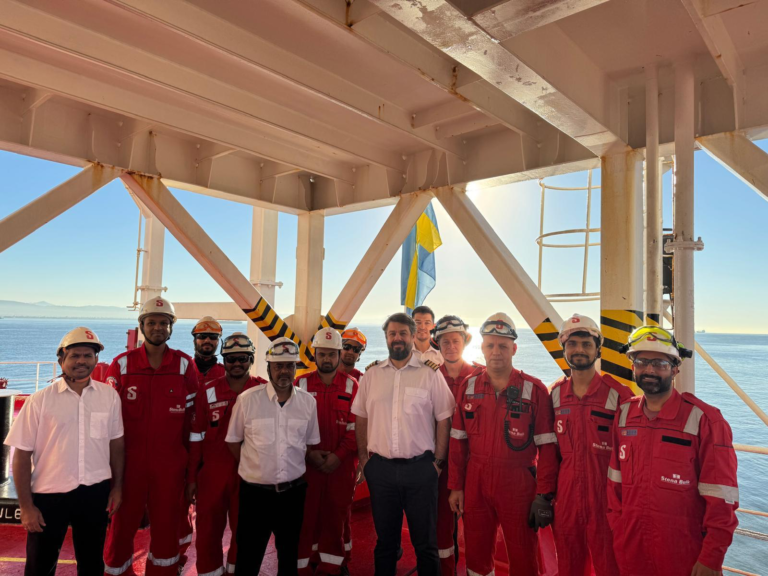
We have always prided ourselves in being a “human-centric” business. This means that the human element has been at the forefront of all our strategic goals since day one, as we firmly believe that among the many factors that influence the outcome of any strategic effort, our people (both ashore and on board) are the most important one. Other than an individual and a company performance bonus scheme, we also offer a number of other financial incentives (medical insurance for employees and their dependents, life insurance, pension, etc) to our colleagues. We also try to enhance the physical and mental wellbeing of our people (through a comfortable working environment both onboard and ashore, eg high speed internet, gym on board our ships and at head office, a dedicated team of physical and mental health and professionals available 24-7, etc). Furthermore, we believe that non-financial factors are those which impact the most the long-term satisfaction and loyalty of our colleagues. Apart from participating in local community events with a social impact, organizing team building events and training sessions (and more generally promoting the continuous development of our employees), we are committed to ensuring that everyone is treated fairly and with respect, and that personal circumstances are taken into account when assigning professional responsibilities; in summary, a holistic approach is taken to promoting a combination of professional effectiveness with personal wellbeing.
GEOPOLITICAL TENSIONS, TRADE DISRUPTIONS, AND SUPPLY CHAIN SHIFTS HAVE AFFECTED MARITIME FLOWS. HOW DO YOU ASSESS RISK AND MAINTAIN RESILIENCE IN SUCH A VOLATILE GLOBAL CLIMATE?
Geopolitical developments always have an impact on dry bulk shipping. At the moment, the Russia-Ukraine war is affecting the exports of grains from these countries, and has caused the requirement for increased coal imports in Eurore in order in part to replace Russian natural gas. Meanwhile, the Middle East conflict is increasing voyage durations as ships are avoiding the Red Sea and the crossing of the Suez Canal. Generally speaking, any such intervention can create disruption in the market (whether negative or positive), however in the long run, in my opinion, this is not of major concern for shipowners who are committed to this business. Shipping always adjusts to new global circumstances in order to support world trade and, in doing so, enhancing world prosperity. To my mind, the biggest problem of the current very uncertain geopolitical circumstances is that they cause inaction, or short term strategic thinking, both of which I think are silent killers of any business.
FINALLY, WHAT ARE ALASSIA’S MEDIUM-TO-LONG-TERM PRIORITIES AS WE MOVE INTO A MORE COMPLEX, REGULATED, AND INNOVATION-DRIVEN MARITIME ERA?
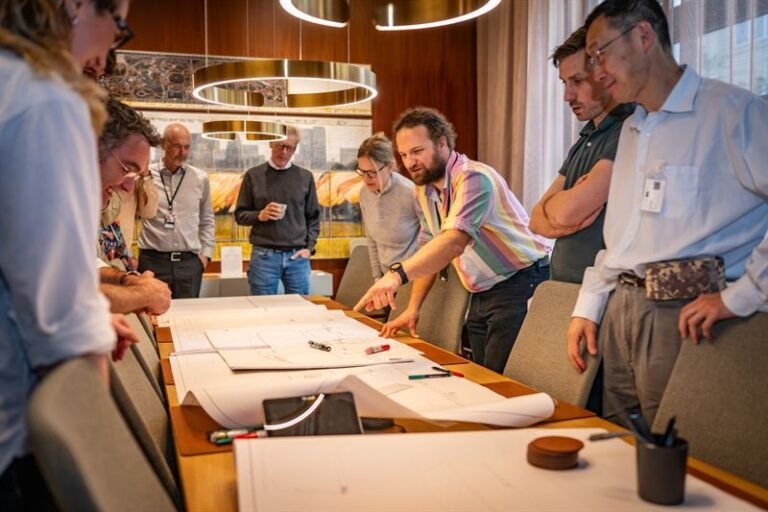
We feel that investing in our people is more crucial than ever given the fast pace of change in our business and in technology. Therefore, we are placing a lot of attention on upskilling (training team members to add to the skills they already use in their current line of work): as part of the annual performance review process, Managers are responsible for agreeing with their department colleagues steps for further development of their skills, in order to either improve their performance in their currently assigned responsibilities, or in order to be in a position to assume more responsibilities within their department. Once this individual development plan is set up, then the Company works with an external HR consultant to create the relevant, either personal or group training programs. The same logic applies on board, with Masters and Chief Engineers being responsible for identifying their crew members’ training needs, and with the Crewing Department being responsible for agreeing with the seafarer and their supervisor the most effective way of addressing those needs (eg. On-the-job training, onboard CBT, shore based training in one of the training centres with which we cooperate, etc).
*Basil Sakelis Is The Ceo Of Alassia Newships Management Inc.