The global shipping industry enters 2026 at a pivotal juncture, confronted by a convergence of geopolitical, regulatory, and technological challenges. Escalating conflicts, rising trade protectionism, and the fragmentation of the international rules-based order are reshaping trade routes, operational strategies, and investment decisions.
Shipping, as the backbone of global commerce, is responsible for transporting over 80% of all international goods, yet it remains acutely sensitive to disruptions in trade flows, tariffs, sanctions, and climate-related events. These disruptions create a ripple effect across supply chains, influencing cargo volumes, service costs, and ultimately global economic stability. In this context, maritime stakeholders must pursue strategies that strengthen resilience, preserve competitiveness, and ensure operational continuity in an increasingly complex environment.
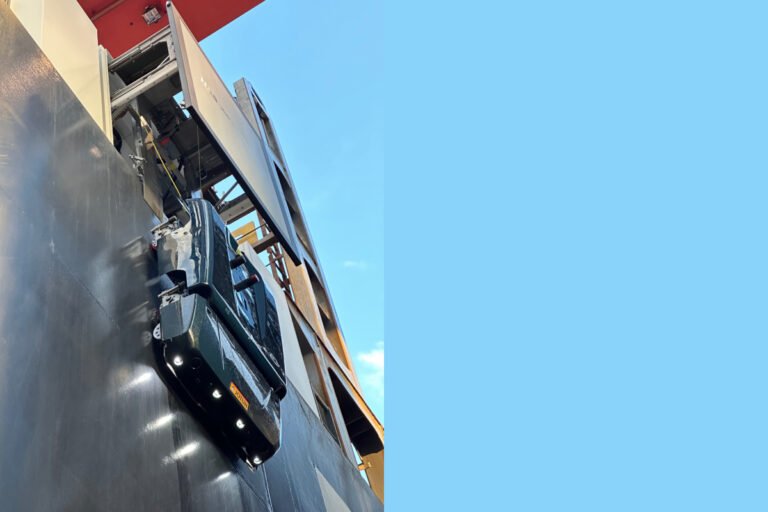
In such a volatile environment, the industry’s response must combine strategic route planning, diversification of operations, and robust risk management. Companies are increasingly investing in digitalization, artificial intelligence driven tools, and scenario-based planning to anticipate and mitigate the effects of geopolitical shocks, thereby safeguarding the smooth functioning of international trade.
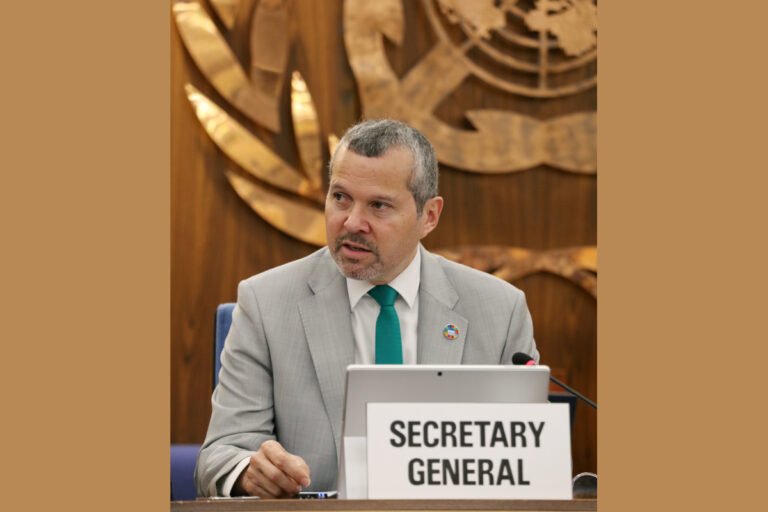
Policymakers have a central role in stabilizing this environment. Constructive dialogue and collaboration among governments, regulatory authorities, and industry organizations, international and regional organizations, are essential to minimize the unintended consequences of protectionism and maintain a level playing field. In this context, the role of the International Maritime Organization is crucial, as the UN’s specialized agency setting global standards for shipping safety, security, and pollution prevention.
Environmental sustainability is admittedly one of the main challenges that the global maritime industry faces, creating ever ending expectations that appear unattainable. The maritime sector shall contribute its fair share to the decarbonization and energy transition. The one-year adjournment of the 2nd ES of the MEPC, provided the necessary time in order to work all together achieving global rules that are realistic, implementable, and capable of establishing a level playing field.
While regulatory frameworks continue to evolve, the industry remains focused on improving energy efficiency, operational performance, and collective efforts to reduce emissions. Research and pilot projects on transitional fuels, including ammonia, green methanol, and sustainable biofuels, are expanding, though large-scale adoption remains limited. The sector must prioritize flexibility, infrastructure readiness, and coordinated innovation to prepare for the eventual transition to low-carbon fuels while safeguarding competitiveness. Public-private partnerships and multilateral engagement will be critical in harmonizing investment, regulatory compliance, and technological deployment globally.
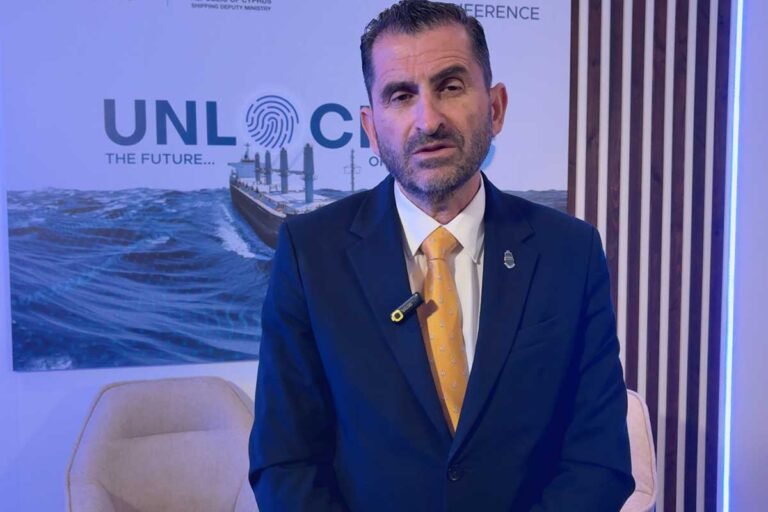
At the heart of these transformations are seafarers, whose expertise ensures the safe and efficient operation of the world’s fleet. As shipping adapts to new fuels, technologies, and regulatory requirements, continuous upskilling, reskilling, and professional development are essential. Investment in training and workforce adaptability will allow crews to meet the operational demands of the future, maintain high safety standards, and embrace technological advancements without disruption. Recognizing and supporting seafarers is not only a moral imperative but also a strategic necessity for sustaining long-term sectoral resilience. To this end, a key priority of the Shipping Deputy Ministry, during the Cyprus Presidency of the Council of the EU, is the introduction of the Nicosia Declaration, aimed at enhancing seafarers’ education and promoting the greater inclusion of women in the shipping sector. Our objective is for the Nicosia Declaration to receive the endorsement of all EU Member States at the forthcoming Informal Meeting of Ministers responsible for Maritime Affairs, to be held in Nicosia in April 2026.
Cyprus, with its long maritime tradition, strategic location, and robust regulatory framework, exemplifies how coordinated action and public-private collaboration can foster a thriving maritime ecosystem. Its dynamic fleet, extensive maritime cluster, and innovative policies, such as the green incentives under the Tonnage Tax System, demonstrate how regulatory clarity, operational flexibility, and stakeholder engagement can advance sustainable growth. The recent reelection of the Republic of Cyprus to the Council of the IMO, demonstrates its strong international voice and the trust member states place in its maritime expertise, reinforcing, at the same time, its leadership upon global shipping matters.
The year 2026 presents both challenges and opportunities for the maritime sector. Geopolitical turbulence, regulatory uncertainty, and the decarbonization agenda converge, demanding foresight, collaboration, and adaptability. By embracing collective responsibility, cautiously advancing sustainable technologies, fostering public-private partnerships, and empowering seafarers through skills development, the industry can navigate this complex landscape. Shipping’s global reach, operational expertise, and resilience will continue to underpin international trade, economic stability, and environmental stewardship, ensuring the sector remains a vital pillar of global prosperity in an era of rapid change.
- The Shipping Deputy Minister To The President Of The Republic Of Cyprus