

One of shipping’s most important fuels is not stored in tanks, nor traded in ports. It cannot be pumped, liquefied, or blended. Yet it is already reshaping the competitiveness of fleets and the strategies of shipowners worldwide. That fuel is efficiency — and in the race to decarbonize our industry, it may be a powerful “energy source”, especially for the transitional period until new fuels become truly affordable, available at scale, and supported by global infrastructure.
And while efficiency measures like the Energy Efficiency Design Index (EEDI), Energy Efficiency Existing Ship Index (EEXI), and Carbon Intensity Indicator (CII) have guided the industry for years, today’s context is different. It is the immediacy and commercial consequences of action—or inaction. The convergence of regulatory pressure, carbon pricing, and market demands has elevated performance enhancement from a compliance checkbox to a business differentiator.
This patchwork of global and regional measures is converging toward one reality: every extra ton of fuel burned now translates not only into higher bunker costs, but also into higher exposure to carbon pricing and worsening CII ratings, which in turn may limit market opportunities and charter prospects.
The good news is that performance gains can be unlocked immediately. Unlike alternative fuels, they do not depend on building supply chains or port infrastructure. Studies indicate that existing technology can deliver 10-40% operational improvements across different vessel types, with many solutions paying back within 2-5 years.
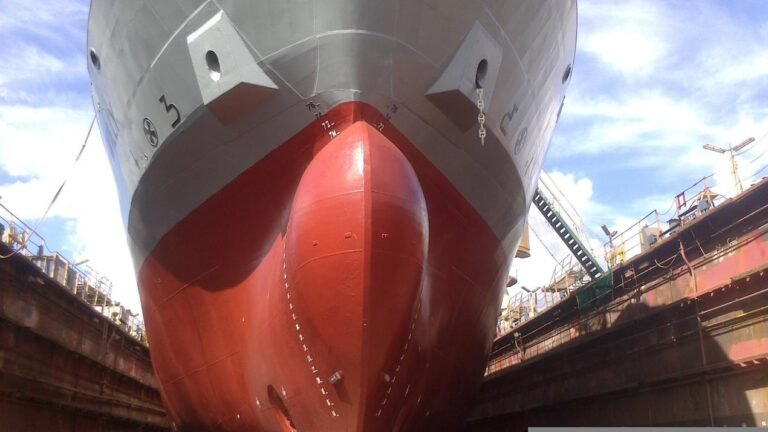
Proven technologies already deliver tangible results. Hull appendages such as ducts, pre-swirl stators, and rudder bulbs improve hydrodynamic performance by 3-8%. Optimized propeller designs and propeller boss cap fins reduce turbulence and capture wasted energy, typically saving 2-5% fuel. Advanced hull coatings lower drag and maintain performance for 5+ years between drydockings, delivering 3-6% consumption reductions. Air lubrication systems create a carpet of bubbles under the hull, achieving 5-10% drag reduction for large vessels.
Wind-assisted propulsion is back in modern forms. Rotor sails can deliver 5-20% fuel savings depending on route and weather conditions, while wing sails and towing kites are showing similar double-digit performance gains on the right trades.
At the systems level, energy savings accumulate through relatively simple steps: variable frequency drives on pumps and fans deliver 2-5% savings, smart ventilation and LED lighting contribute 1-3% reductions, and shaft generators reducing dependence on auxiliary engines can achieve 3-7% improvements. Waste heat recovery systems offer 5-15% operational gains, while battery hybridization proves particularly effective for ferries and short-sea shipping.
Digitalization adds another powerful layer to performance enhancement. Modern voyage optimization software can reduce fuel consumption by 3-8% through intelligent speed and routing recommendations that balance schedules with energy savings. Performance monitoring gives crews and managers real-time visibility into fuel consumption patterns, enabling quick adjustments and predictive maintenance strategies. AI-powered systems are now integrating weather data, port congestion information, and vessel-specific performance characteristics to optimize operations continuously. In effect, data itself becomes a new fuel, driving smarter decisions that directly cut consumption and emissions.
Smart operations will also multiply the impact of future fuels. Methanol, Ammonia, Biofuels and Hydrogen will be essential to meeting long-term decarbonization goals, but their availability, cost, and scalability remain uncertain. Early adopters face price premiums of 2-4 times conventional fuel costs and infrastructure gaps. In this context, operational excellence is the bridge fuel — the one that makes every future fuel more viable. A ship that consumes 10% less energy per voyage will require 10% less alternative fuel when the transition comes. Performance optimization is not a rival to future fuels but their enabler, making the eventual switch more affordable.
This economic imperative for operational efficiency is being reinforced also by market forces that extend far beyond regulatory compliance. Charterers increasingly factor CII ratings into vessel selection, with A-rated ships commanding premium rates. Cargo owners, under pressure from their own ESG commitments, prefer carriers demonstrating decarbonization progress. Financial institutions aligned with initiatives like the Poseidon Principles are pricing climate performance into lending decisions, with green financing offering rate advantages of 10-50 basis points.
Of course, these improvements come at a cost. Devices, coatings, digital platforms, and retrofits require capital expenditure typically ranging from €100,000 to €2 million per vessel depending on scope. The critical question for owners is whether the investment pays off — and how quickly. The answer depends on more than just bunker savings. The true ROI of performance enhancement includes direct fuel savings of 5-25% reduction in consumption, avoided carbon costs of €50-150 per ton CO2 under various schemes, improved CII ratings, enhanced financing terms with lower interest rates for green-compliant vessels, and charter rate premiums of 2-8% for top-rated optimized vessels.
When measured holistically, the payback period for many optimization measures ranges from 12-36 months rather than the 5-7 years often assumed based on fuel savings alone.
However, the path to enhanced performance is not without obstacles. Beyond the capital requirements, shipowners face a complex web of implementation challenges that can derail even the most promising projects. The human factor requires careful management, comprehensive training programs, and clear communication about the benefits of these measures. The technical complexity of modern optimization solutions also demands significant upskilling of both shore-based and shipboard personnel, from understanding new digital interfaces to maintaining sophisticated equipment like air lubrication systems or wind-assisted propulsion devices. Adding to these human and technical challenges, the timing of implementation creates its own financial pressures — operational disruptions during retrofit installations can result in lost charter opportunities and revenue.
Even when these operational challenges are successfully navigated, shipowners face another layer of complexity in the decision-making process itself. Measuring and validating the actual performance of these investments can prove challenging, particularly when multiple variables affect fuel consumption simultaneously. These challenges underscore why partnering with experienced technical advisors and developing phased implementation strategies becomes crucial for success
Bureau Veritas supports shipowners through this complexity by combining engineering expertise with regulatory insight and digital tools. BV helps owners evaluate options through technical feasibility assessments, regulatory impact analysis, financial performance modeling that factors in carbon costs and compliance requirements. These assessments optimize investment decisions by identifying technology synergies and developing implementation strategies that maximize returns.
The decarbonization journey is no longer a future challenge—it is today’s reality, and smart operations are the compass pointing toward success. Operational excellence may not fill tanks or flow through pipelines, but it is already the most available and impactful fuel in shipping’s race to decarbonize. In a world of tightening regulation and rising carbon prices, the greenest, cheapest, and most reliable unit of energy is the one that never needs to be burned.
*COMMERCIAL MANAGER FOR SOUTH EAST EUROPE, BLACK SEA & ADRIATIC · BUREAU VERITAS MARINE & OFFSHORE