

SpecTec, a market leading maritime technology company, believes that 2026 must see a step change in data standardisation, and in the integration and interoperability of systems and platforms that sustain shipping’s digitalisation journey. Achieving this will create real visibility and transparency across the shipping value chain, enhancing decision making and enabling more efficient, safer and sustainable operations.
“Right now there is a clear lack of data alignment and standardisation across the industry,” said Adam Dennett, CEO of SpecTec.
“Technology is often siloed and data sits in multiple systems that are not integrated or talking to each other. The opportunity is to get interoperability right, create transparency, and then use that shared data to drive better, faster decisions on the things that really matter: safety, reliability and cost.”
SpecTec believes that achieving meaningful standardisation requires a dual approach, proven in other sectors such as digital healthcare. First, there needs to be widespread collaboration and partnership across the industry, where networks come together to agree data standards and formats that can support the reporting, analytics and functionality operators need. Alongside this, there needs to be a clear commitment from regulators to recognise and support these standards as an industry benchmark.
As more maritime organisations embrace this approach, Dennett sees the opportunity for a real shift in mindset, where collaboration is no longer viewed as a competitive risk but recognised as a strategic advantage that unlocks innovation and efficiency.
The rise of standardised data will also accelerate the development and adoption of Artificial Intelligence (AI). AI can support intelligent decision making, where systems undertake the heavy lifting, presenting accurate data and insights based on relevant parameters. For example, in asset and vessel management, a robust, standardised maintenance system connected to voyage and operational data can create a more intelligent and predictive environment to inform planning, reduce unplanned downtime, improve safety and control costs.
As maritime operations grow more complex, SpecTec also expects that smaller operators will become increasingly open to investing in and adopting new technologies. Ship owners and operators managing fleets of 10 to 20 vessels face mounting pressure to extend asset life while maintaining safety, reliability and efficiency, as well as ensuring compliance. SpecTec is already working with a growing number of these operators who are willing to partner on testing and shaping solutions around their specific needs, with a clear expectation of measurable benefits and return on investment.
Dennett commented: “Over the next 12 months, I expect to see a genuine mindset shift. By working together to define shared standards and interoperable platforms, we can create transparency, support smarter regulation and make intelligent decision making accessible to every operator, not just the largest fleets. The real winners in shipping’s digitalisation journey will be those who are prepared to collaborate, chase progress over perfection and share what works.”
As SpecTec continues to invest heavily in innovation, it is helping shape a maritime sector that is not only more digital but also more collaborative and resilient.
“The opportunity now is to focus on creating best practice,” Dennett added. “The pie is big enough to share, and by embracing openness and cooperation, we can build a digital foundation that supports the whole industry for decades to come.”
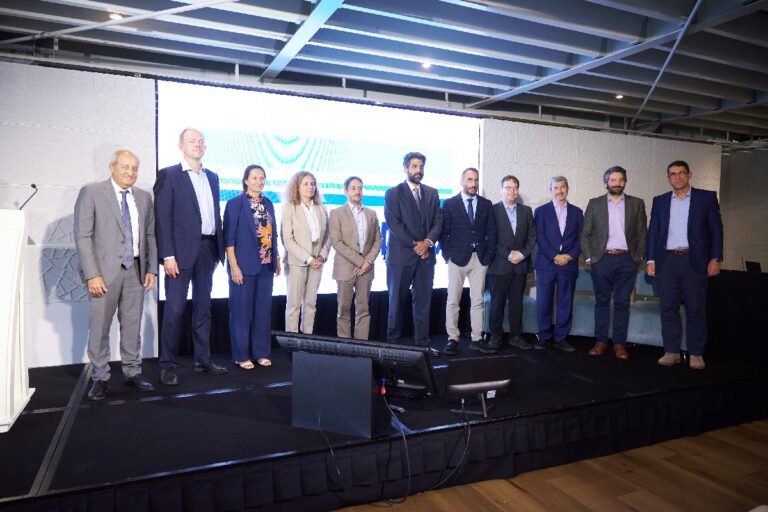
Photo: Adam Dennett, CEO of SpecTec