

Greece continues to command a dominant position on the global stage, recently reaffirmed by its high-ranking election to the IMO Council. However, as the maritime industry faces an era of unprecedented geopolitical shifts and environmental mandates, the Ministry of Maritime Affairs and Insular Policy of Greece is pivoting toward a “just transition.” By balancing aggressive decarbonization and digital modernization with the protection of industry competitiveness, Greece is charting a course that secures its maritime heritage while spearheading the next generation of sustainable global logistics
- Greece remains a global leader in commercial shipping. Under your tenure, what are the top strategic priorities to ensure that the country stays competitive amid shifting geopolitical, technological, and environmental pressures?
Greece’s leadership in global shipping was reaffirmed by the record 153 votes our country received in the election for Category A of the International Maritime Organization (IMO) Council, among 169 countries that took part in the vote, placing Greece 4th worldwide.
As you correctly noted, we are going through a period of major challenges, linked to geopolitical instability in certain regions of the world, the green transition, digitalization, and the application of Artificial Intelligence.
As one of the founding members of the IMO, we will continue to work – always in cooperation with the other member states of the Organization – towards shaping a framework of global measures that will contribute to achieving environmental objectives, while at the same time taking into account the economic dimension and the competitiveness of shipping.
As our Minister Vassilis Kikilias recently noted, this effort must be based on a shared commitment, without discrimination, so that we can achieve our objectives in a fair and mutually beneficial way for all countries and promote fair competition, avoiding measures that have a punitive effect. We would, instead, ensure a global level playing field in the green transition.
At the same time, we are modernizing our services through digital transformation, enabling us to manage the changes effectively, while upgrading our infrastructure to provide even higher levels of safety.
The ultra-modern Operations Center of the Hellenic Coast Guard, which we are creating, is supported by an integrated Command and Control system. The project will provide a Common Operational Picture, and will enable us to respond to the challenges of the new era—policing our seas, marine parks, the Exclusive Economic Zone (EEZ), extraction activities, fisheries, and our maritime wealth.
We are also taking initiatives to develop skilled personnel through our Merchant Marine Academies, equipping them with the appropriate knowledge and skills, so that they are able to support the shipping industry of today and tomorrow.
- The decarbonization of maritime transport is in process. How is the Ministry facilitating this transition for Greek shipowners—particularly regarding alternative fuels, and compliance with EU environmental regulations?
Greece has consistently supported the adoption and implementation of international standards for the shipping industry, within the framework of the IMO and the European Union.
However, as I have already mentioned, we believe in a just transition towards the decarbonization of shipping through a sustainable regulatory framework that does not place disproportionate burdens on shipowners.
In this context, our country will actively participate in the negotiations among IMO member states next year, with the aim of reaching a realistic and fair agreement that will serve the green transition without undermining the competitiveness of shipping.
- Digital infrastructure and “smart ports” are becoming essential to global logistics. What concrete steps is Greece taking to upgrade its port ecosystem, reduce bottlenecks, and enhance digital interoperability across supply chains?
The Greek government gives high priority to the upgrading of port infrastructure through a coherent port strategy that includes both public and private investments, via concession contracts to private investors who are committed to implementing development projects in the ports.
Greece, with its extensive coastline and significant geopolitical position, can only be expected to have modern and efficient ports, which serve as transit hubs for the transport of passengers and goods towards the Balkans and Europe.
In addition, Greece, as an energy hub through the Vertical Corridor, ought to have port infrastructure capable of supporting the transport of liquefied natural gas, as exemplified by the port of Alexandroupolis.
The projects being implemented to upgrade our port infrastructure are directly linked to the European Port Strategy, which prioritizes the green transition of ports – especially those forming the Trans-European Transport Network – and at the same time promotes intermodality.
In the context of digital transformation, the Ministry of Maritime Affairs and Insular Policy (MMAIP) is preparing a project called “MMAIP Digital Transformation” which aims to develop a centralized digital platform capable of supporting the Ministry’s strategic and operational needs across its competency domains.
The action includes major subsystems regarding port digitalization, such as a Central Information System for Coastal Shipping, the development of a European Maritime Single Window environment, cybersecurity tools, the integration of a Business Intelligence (BI) Platform, etc.
Through the project, we aim to achieve data-driven planning, digitalization of services, and greater transparency in coastal shipping, as well as the enhancement of user-centric, efficient, and interoperable services for citizens and economic operators.
- Greece’s island network poses unique challenges. What new policies or investments are being prioritized to ensure reliable, sustainable, and affordable maritime transport for island communities?
One of the key pillars of our National Strategy for the islands is the strengthening of connectivity and social cohesion.
Consider that, out of Greece’s 117 inhabited islands, only 26 have an airport – a fact that clearly highlights the importance of maritime transport.
Taking this into account, the Ministry of Maritime Affairs and Insular Policy ensures the uninterrupted and reliable operation of coastal shipping routes, so as to guarantee the movement of passengers and goods.
The increase in the funding of subsidised “barren” routes, serves precisely to enhance reliability, stability, and affordability in maritime transport. Over the past six years, funding for these routes has almost doubled: from 90 million euros in 2019, it now amounts to 170 million euros, following the decision of the Coastal Transport Council, covering 77 such routes.
The Ministry also supports the modernisation of the Ro-Ro and Ro-Pax fleets, the development of intermodal connections, as well as the promotion of the “Motorways of the Sea” concept, that is road corridors leading to ports.
In parallel, we are making use of European funding schemes to modernize the Greek passenger fleet, while we gradually phase out fossil fuels, in line with evidence-based proposals aligned with the EU regulatory framework.
- The global maritime industry is experiencing a shortage of skilled professionals. What initiatives is the Ministry developing to attract young talent, modernize maritime education, and ensure Greece remains a leading hub for top-tier seafarers and naval engineers?
Investing in people who can work in the shipping sector, with solid knowledge, skills, and a strong sense of responsibility, not only to maintain but also to further strengthen the competitiveness of Greek shipping, is high on the agenda of the Ministry of Maritime Affairs and Insular Policy.
The truth is that we have seen an upward trend in admissions to the Merchant Marine Academies since 2020; at the same time, the number of graduates has declined, and this is a matter of concern.
To attract young people to the maritime profession and keep existing cadets motivated in the Merchant Marine Academies, we are making use of the EU funds available for the 2021–2027 period, investing in improving the quality of education through the procurement of modern technical and training equipment, including simulators, so that cadets have access to up-to-date and competitive training tools.
Additional initiatives include financial support to cover food and accommodation costs, the subsidization of the first and second onboard training voyages, and the further development of the skills of unemployed seafarers through programs offered by continuing training centers.
It is also worth mentioning that the ratio of women cadets/trainee seafarers is constantly increasing, which is very encouraging. It is therefore important that we further strengthen both the attraction and the retention of women in the maritime profession.
In this context, on the initiative of our Minister, Vassilis Kikilias, a Working Group has been set up at the Ministry of Maritime Affairs and Insular Policy with the participation of social partners, to examine issues related to strengthening seafarers’ rights, in particular those of pregnant women and new mothers.
Ultimately, we must put stereotypes aside and reduce gender-based discrimination, creating the conditions that allow a woman to lead and build her career in the maritime profession.
- How does the European Union currently address the challenges faced by island regions, and what policies do you believe should be adopted to further support the islands?
Next year, discussions are expected to move on at the European level on reshaping the policies that concern European islands. This development is particularly important in view of the new Multiannual Financial Framework 2028–2034, which we expect to place territorial cohesion and regional development at its core.
This is a demand that is strongly supported by the Conference of Peripheral Maritime Regions (CPMR), as well as by Greece, which is actively involved in shaping a comprehensive European Strategy for the islands.
In a recent intervention at the Organisation for Economic Co-operation and Development (OECD), I highlighted the need to develop tailored and targeted policies for island regions, which differ significantly in terms of size, population, and development model.
Challenges such as geographical isolation, demographic decline, limited economies of scale, and increased exposure to climate risks require not a generic policy approach, but a dedicated island policy, a framework that we have been systematically strengthening in recent years, making full use of the OECD’s recommendations.
Greece has benefited significantly from its cooperation with Croatia and Sweden, under the Directorate-General for Structural Reform Support (EU – DG REFORM), with the support of the OECD scientific team, in a project centered on “multilevel governance” and the resilience of island economies. The OECD project had three main contributions: it identified governance gaps, developed a “toolbox” for resilient island development, and established a platform for knowledge exchange.
We intend to use the project’s results to institutionalize a permanent multilevel governance mechanism for island policy, bringing together Ministries, Regions, and Municipalities.
In addition, we aim to integrate a resilience framework into our new Island Strategy and our investment planning, so that resilience indicators guide our funding priorities, particularly in the areas of water management, energy autonomy, and essential services.
This cooperation has been a powerful example of how shared challenges can lead to shared solutions.
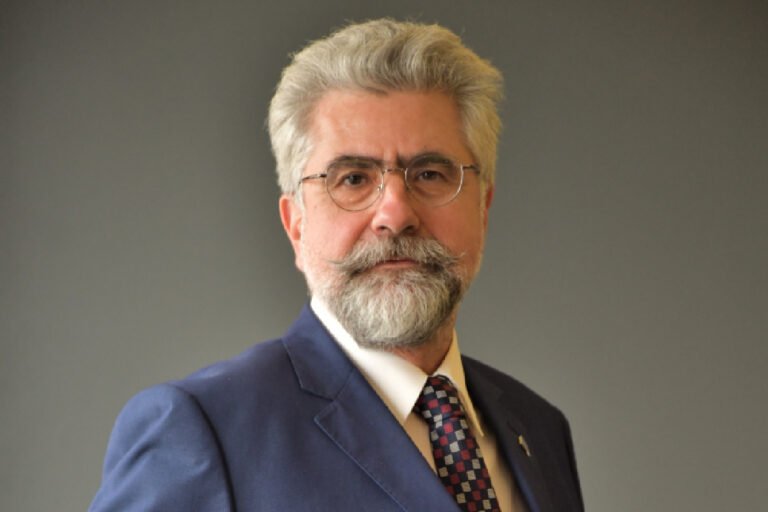
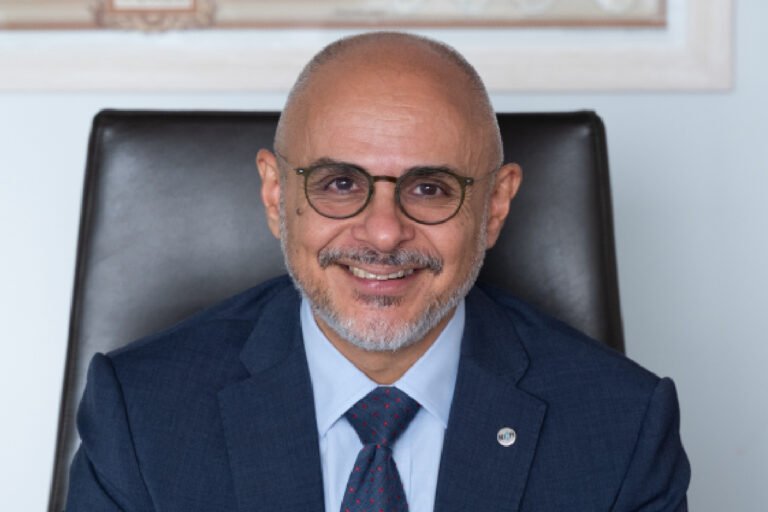
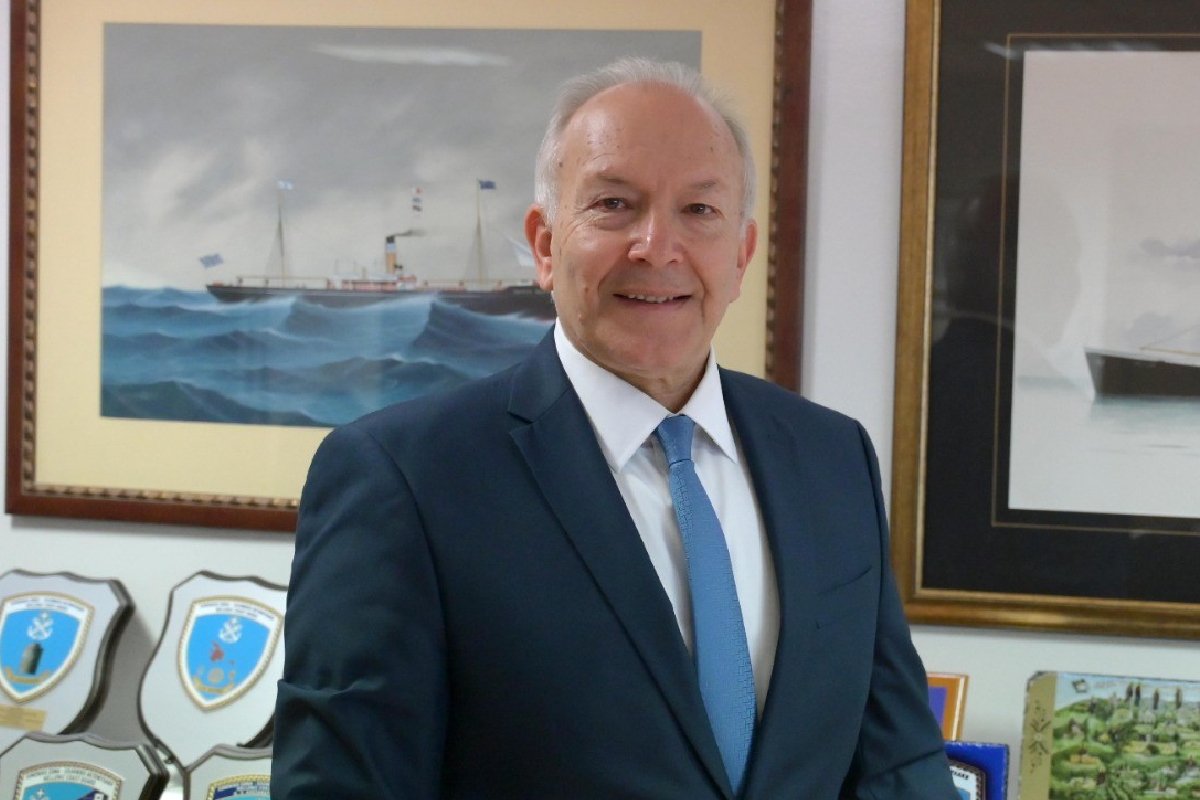
Stefanos Gkikas
Deputy Minister of Maritime Affairs & Insular Policy